Pollinator PowerPoints
The hum of bees is the voice of the garden –Elizabeth Lawrence
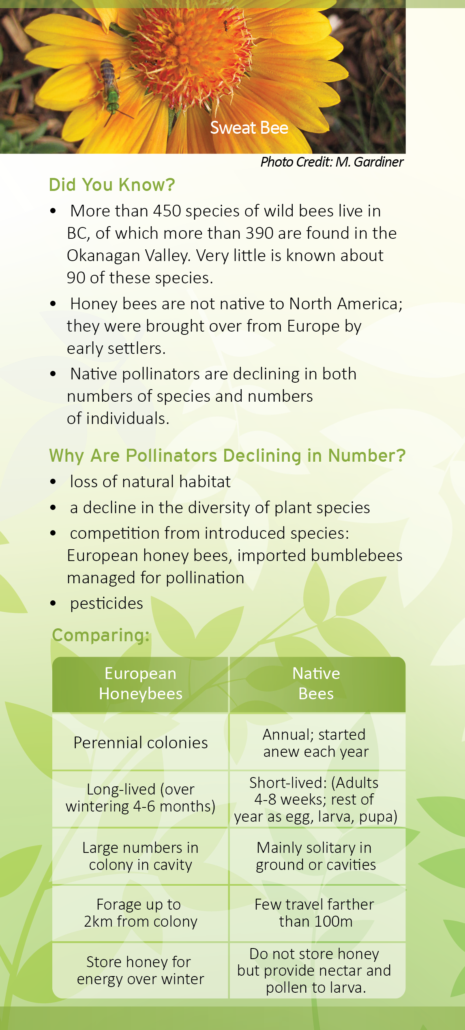
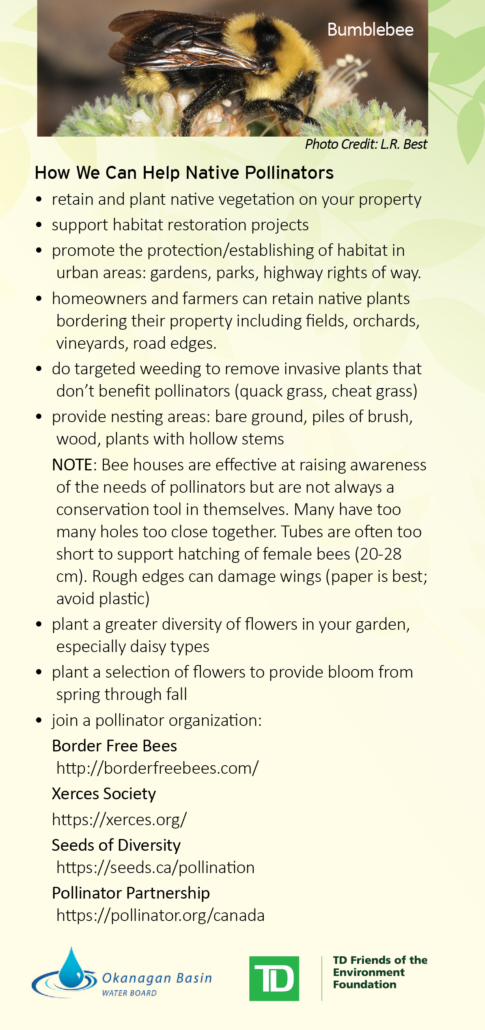
Partnering with Pollinators Brochure

The hum of bees is the voice of the garden –Elizabeth Lawrence
Spring is upon us, which means the buzz of bumble bees will soon fill the air—if it hasn’t already! This is a great time to ensure that your green space is ready as bees begin waking up and looking for food. When preparing habitat for bumble bees, it is critical to understand how their needs change throughout the year. Here we’ll explain the bumble bee’s life cycle so you can make the most of your pollinator conservation efforts this spring.
Read more:
https://www.xerces.org/blog/five-ways-to-support-queen-bumble-bees-this-spring
Xerces Blog
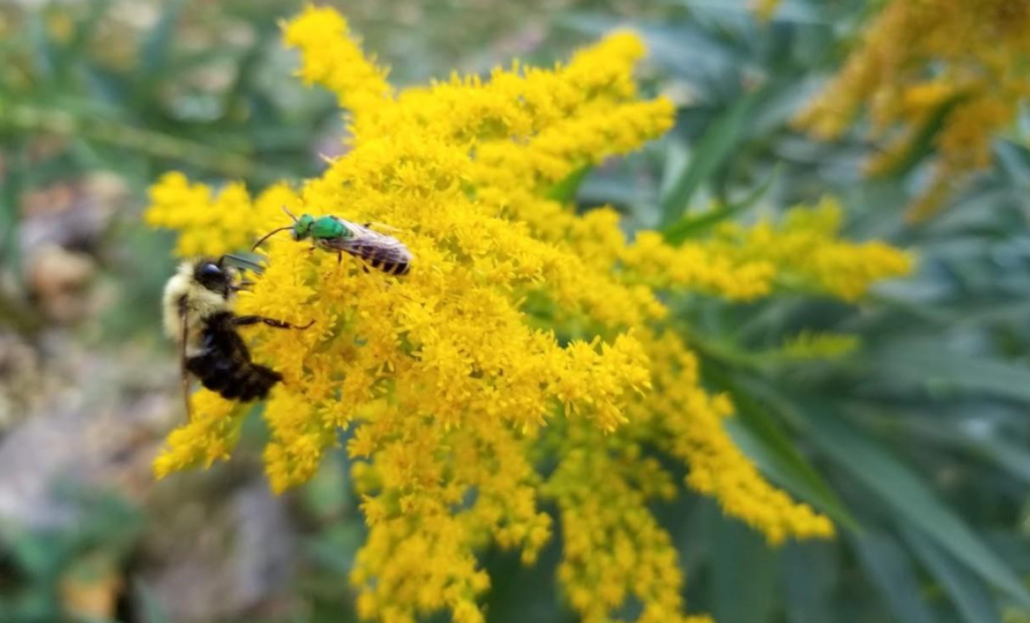
Urban beekeeping has been touted as a way to boost pollination and improve sustainability, food security and biodiversity in cities. Many people and businesses who’ve added beehives to their backyards and rooftops say they’re doing it to help fight declines in bee populations. But researchers say urban beekeepers are likely doing just the opposite when it comes to wild bee species.
The only bee species kept in beehives is the European honeybee, which is “a non- native species that’s essentially livestock managed by people,” said Charlotte De Keyzer, a Toronto bee researcher and founder of the site bee-washing.com, which fights misinformation about bees. “So it’s a bit like saying that you’re going to save the birds of Canada by keeping chickens in your backyard.”
Honeybees, which are kept in hives of 50,000 to 100,000, roam across the city and compete with native species for food — nectar and pollen from flowers. A recent study in Paris found fewer wild bees in areas with more beehives, and on average, studies have been finding managed honeybees have a negative impact on wild species.
Gail MacInnis is a postdoctoral researcher at McGill University who is studying
how beehives are affecting more than 170 wild bee species that live in Montreal, where about 2,000 honeybee hives have been added since 2013. She noted that most wild bees are solitary and some are only active and able to collect food for two or three weeks of the year, so competition from a hive of 100,000 honeybees can be a huge problem. She’s trying to figure out how many beehives Montreal can sustainably support without harming wild bees, and how many flowers are needed to feed them.
MacInnis and De Keyzer acknowledge that honeybees are important for agricultural pollination, and there are some benefits of urban beekeeping, too, such as honey production and providing an income for beekeepers. But they think governments should restrict urban hives to protect wild bees, as Ontario has done.
So, if you want to boost wild pollinator populations and improve sustainability and biodiversity, what should you do?
According to the City of Toronto, that’s had other benefits, too — the native plants are more resistant to pests and don’t require much maintenance, which lowers costs.
— Emily Chung CBC newsletter “What on Earth”, August 6, 2020